The Voices Wall creates a safe space where lived experiences become visible and heard. By sharing authentic stories, it encourages dialogue, challenges assumptions, and inspires action towards disability-inclusive HIV programmes that leave no one behind.
PREPARED BY Stellaheart of Passion Foundation in Partnership with FDH TANZANIA.
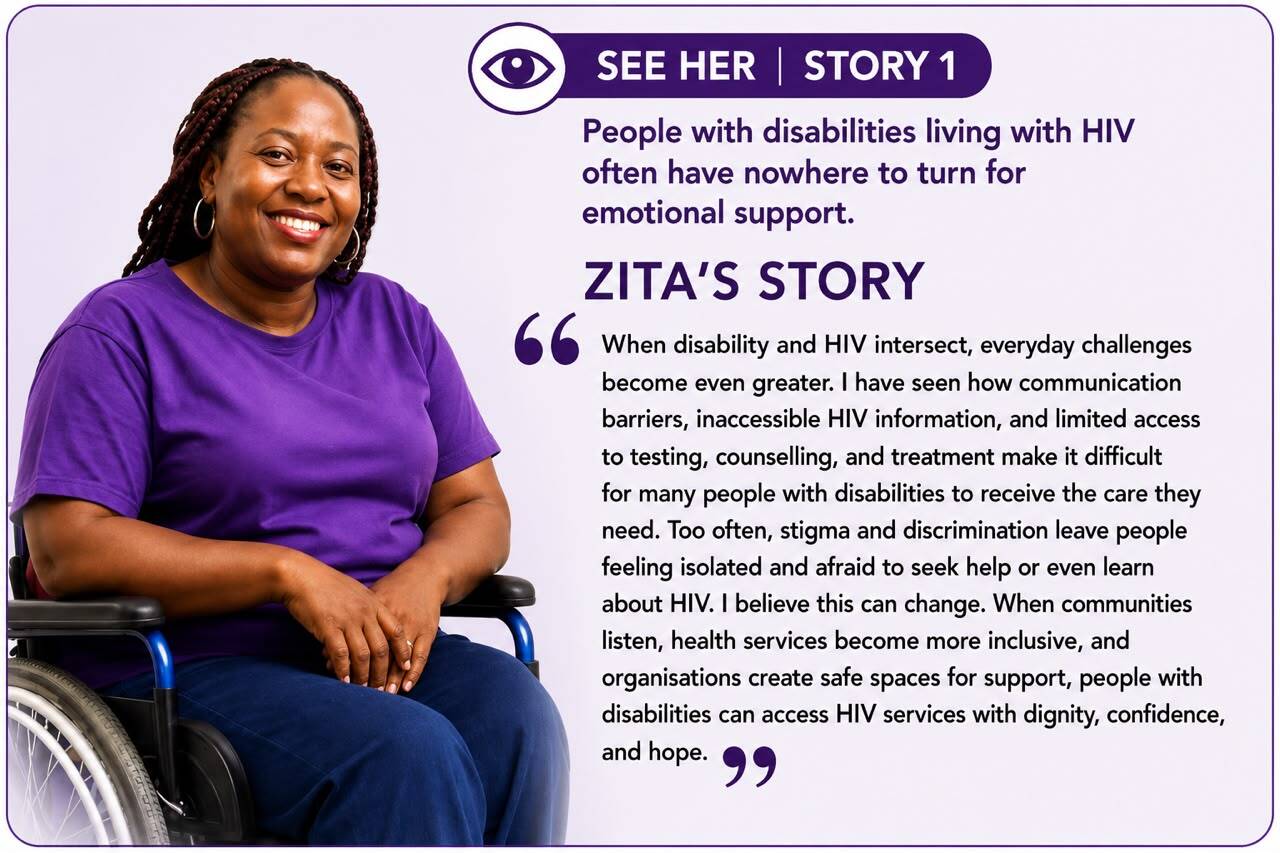
"When disability and HIV intersect, everyday challenges become even greater. I have seen how communication barriers, inaccessible HIV information, and limited access to testing, counselling, and treatment make it difficult for many people with disabilities to receive the care they need. Too often, stigma and discrimination leave people feeling isolated and afraid to seek help or even learn about HIV. I believe this can change. When communities listen, health services become more inclusive, and organisations create safe spaces for support, people with disabilities can access HIV services with dignity, confidence, and hope."
What assumption about women with disabilities did this story challenge for you?
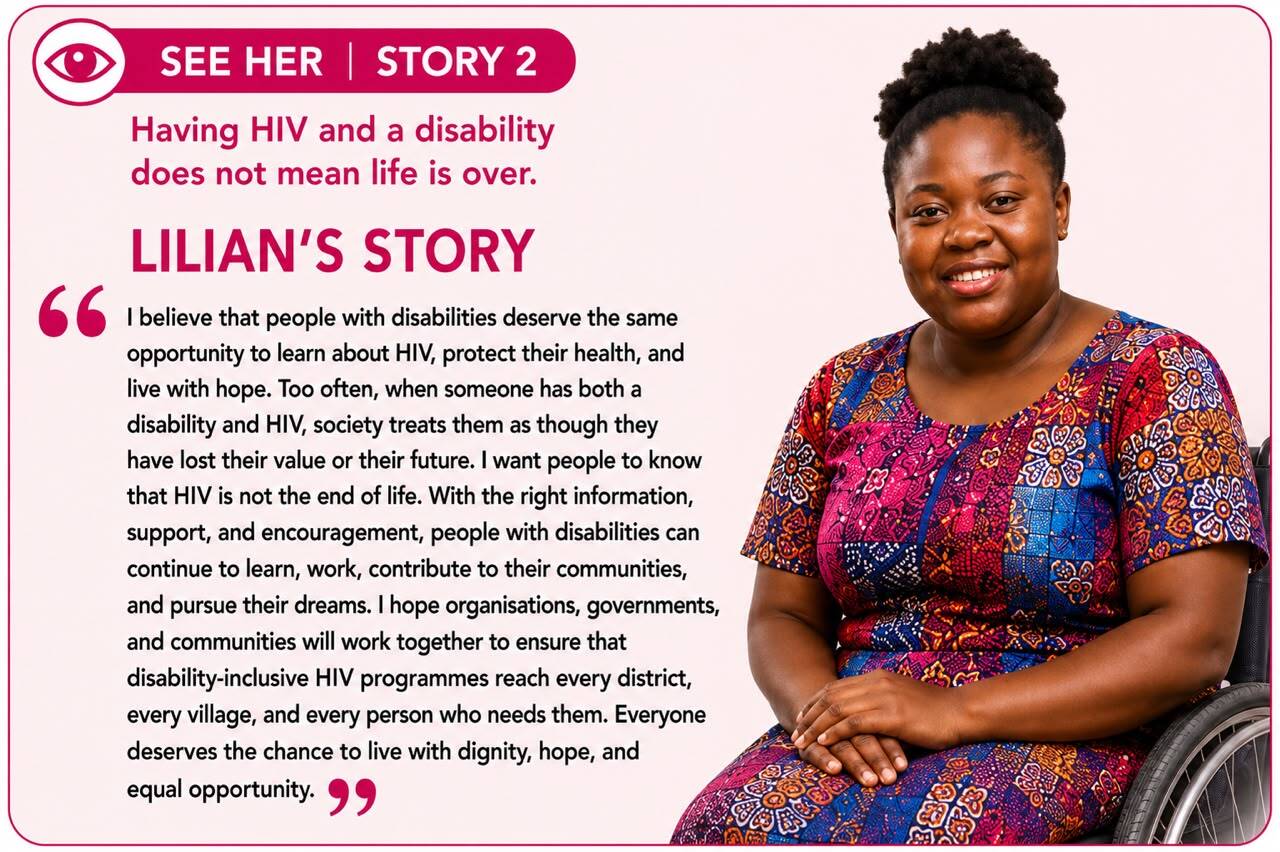
"I believe that people with disabilities deserve the same opportunity to learn about HIV, protect their health, and live with hope. Too often, when someone has both a disability and HIV, society treats them as though they have lost their value or their future. I want people to know that HIV is not the end of life. With the right information, support, and encouragement, people with disabilities can continue to learn, work, contribute to their communities, and pursue their dreams. I hope organisations, governments, and communities will work together to ensure that disability-inclusive HIV programmes reach every district, every village, and every person who needs them. Everyone deserves the chance to live with dignity, hope, and equal opportunity."
What assumption about women with disabilities did this story challenge for you?
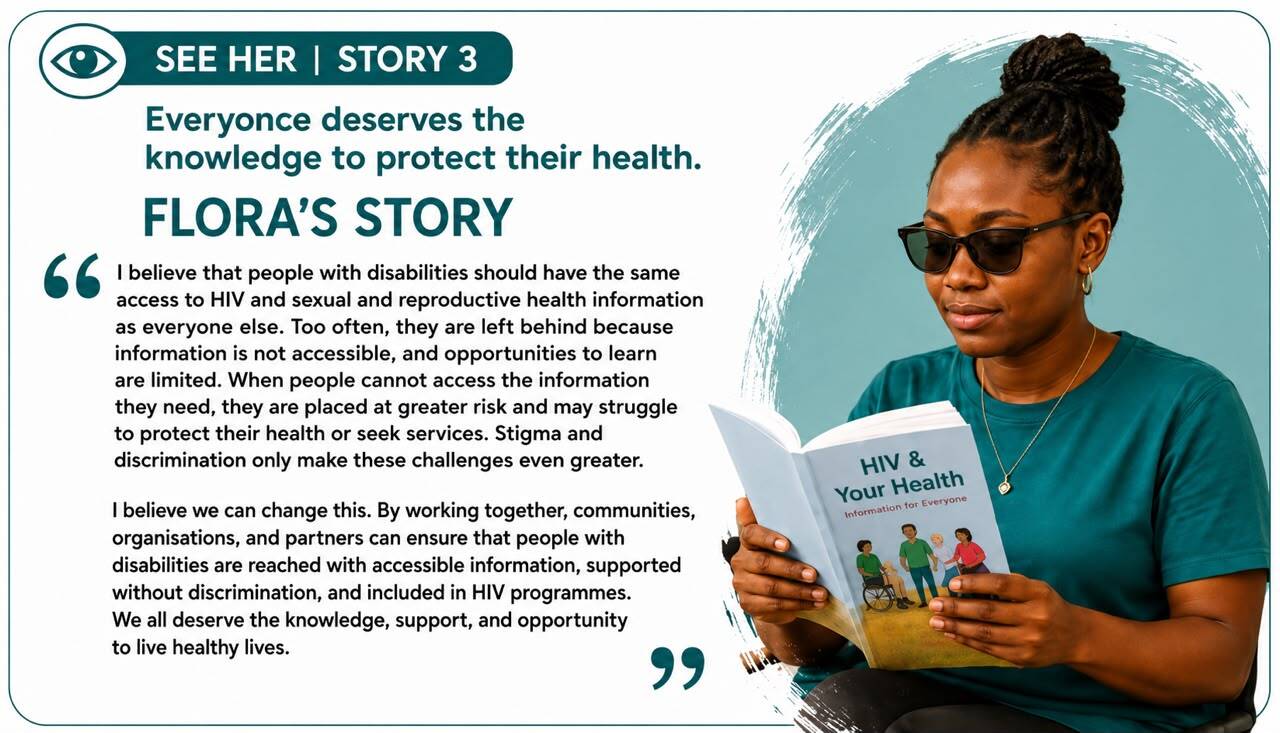
"I believe that people with disabilities should have the same access to HIV and sexual and reproductive health information as everyone else. Too often, they are left behind because information is not accessible, and opportunities to learn are limited. When people cannot access the information they need, they are placed at greater risk and may struggle to protect their health or seek services. Stigma and discrimination only make these challenges even greater. I believe we can change this. By working together, communities, organisations, and partners can ensure that people with disabilities are reached with accessible information, supported without discrimination, and included in HIV programmes. We all deserve the knowledge, support, and opportunity to live healthy lives."
What assumption about women with disabilities did this story challenge for you?
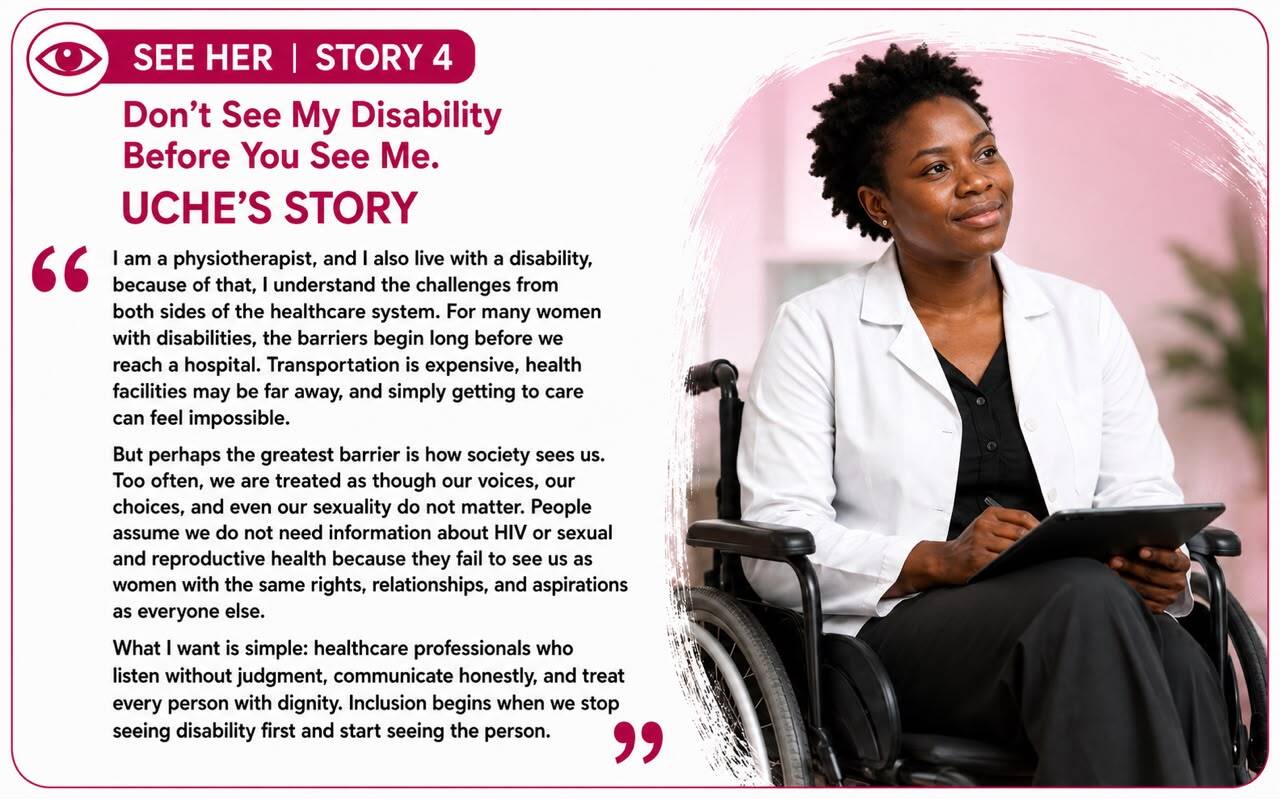
"I am a physiotherapist, and I also live with a disability. Because of this, I understand the challenges from both sides of the healthcare system. For many women with disabilities, the barriers begin long before we reach a hospital. Transportation is expensive, health facilities may be far away, and simply getting to care can feel impossible. But perhaps the greatest barrier is how society sees us. Too often, we are treated as though our voices, our choices, and even our sexuality do not matter. People assume we do not need information about HIV or sexual and reproductive health because they fail to see us as women with the same rights, relationships, and aspirations as everyone else. What I want is simple: healthcare professionals who listen without judgment, communicate honestly, and treat every person with dignity. Inclusion begins when we stop seeing disability first and start seeing the person."
What assumption about women with disabilities did this story challenge for you?
Website created in white label responsive website builder WebWave.